January 2, 2026
Property managers are responsible for keeping buildings safe, clean, compliant, and attractive for tenants and visitors. One often overlooked but critical part of this responsibility is waste management during cleanouts, renovations, tenant turnovers, and ongoing maintenance projects. Understanding how roll off dumpster rental works can help property managers plan more effectively, control costs, and reduce operational headaches.
This guide explores the key considerations every property manager should understand when integrating dumpster services into their overall management strategy. Clear waste planning also supports smoother communication with owners, contractors, and service vendors across short- and long-term property initiatives. When waste handling expectations are clearly defined early, it reduces confusion later and helps avoid delays caused by unclear disposal responsibilities. Strong planning also allows managers to maintain consistent standards across multiple properties under their supervision.
Role of Roll-Off Dumpsters in Property Management
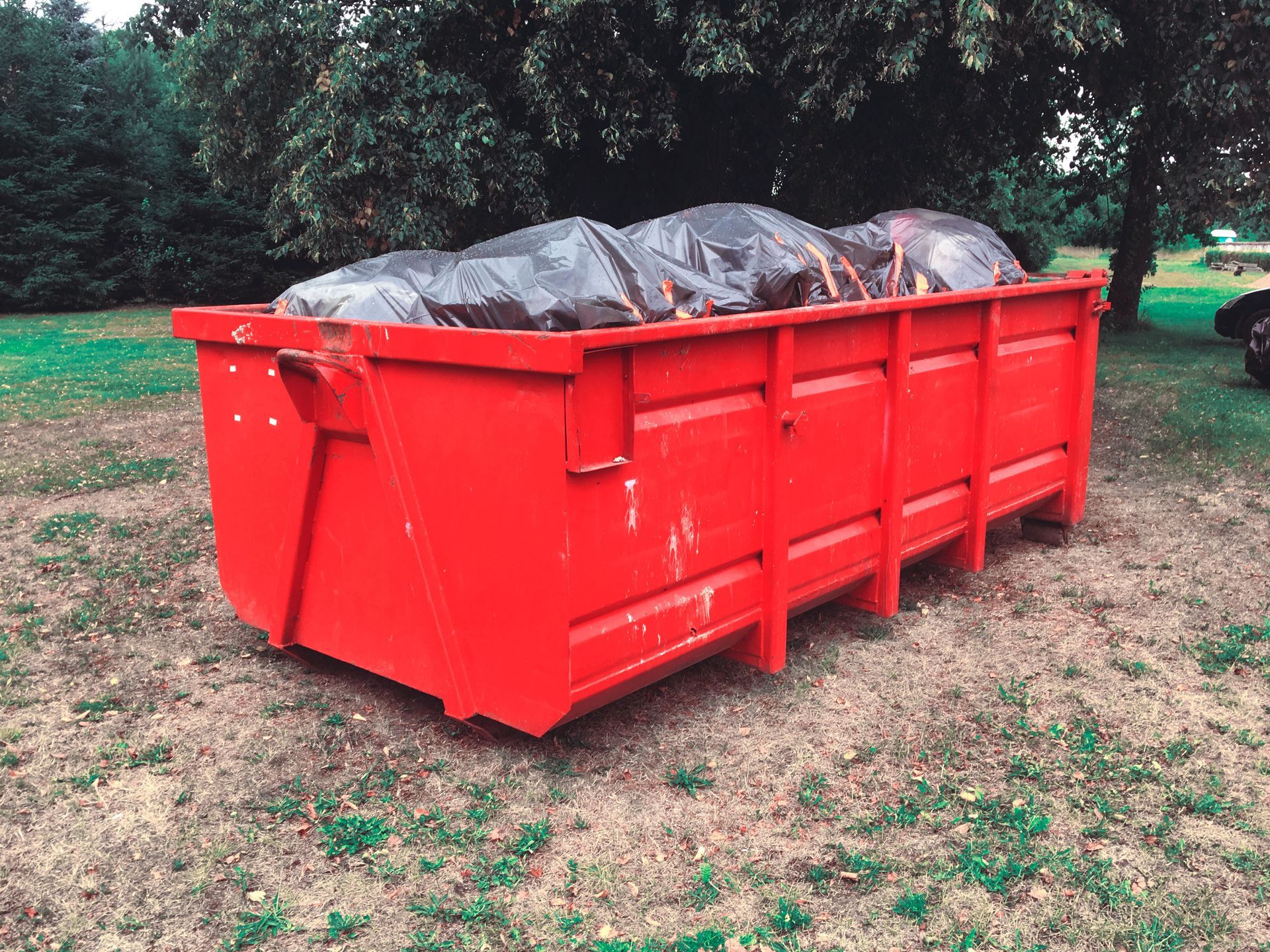
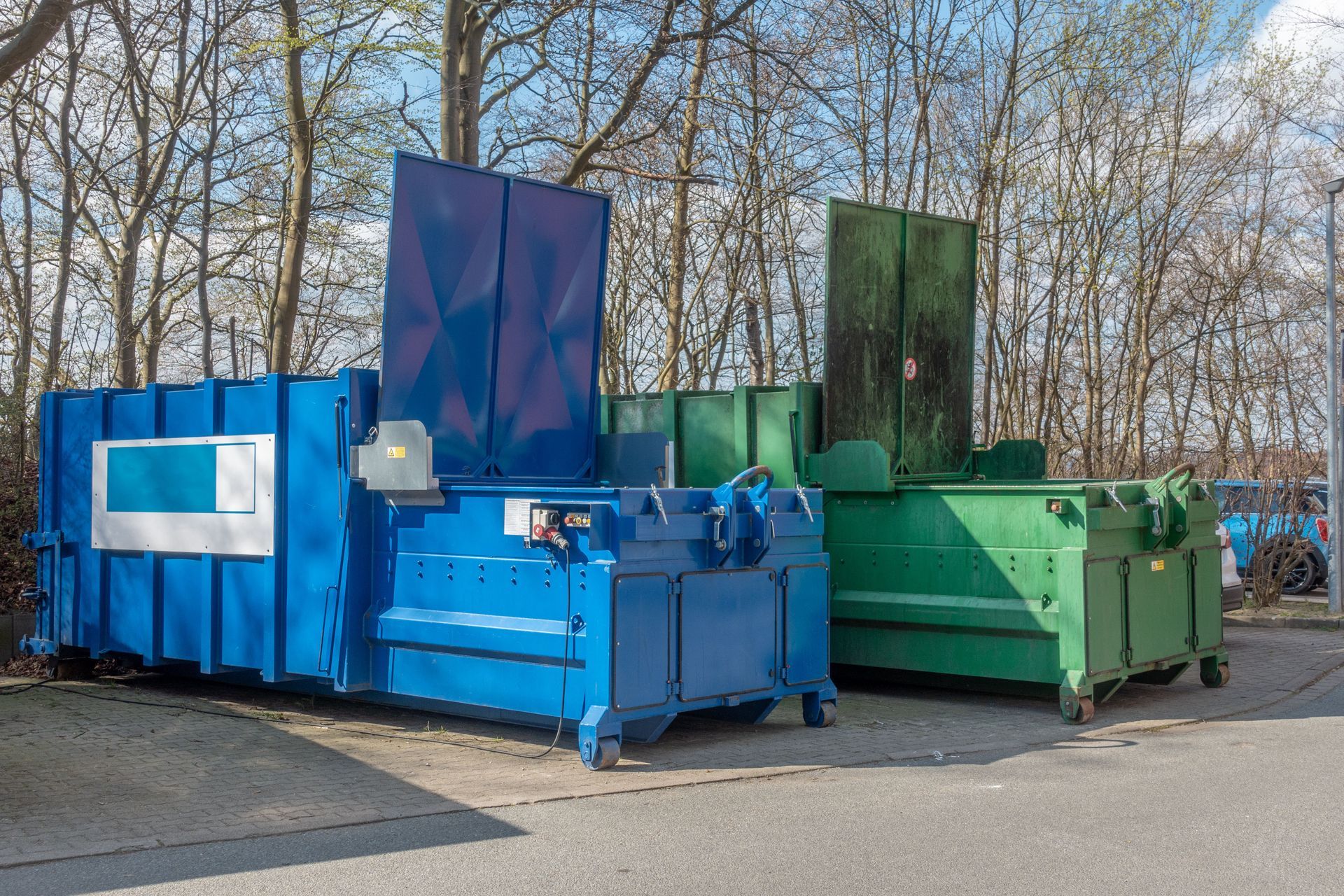
Waste generation is a constant reality across residential, commercial, and mixed-use properties. From apartment complexes to office parks, large volumes of debris can accumulate quickly during maintenance cycles. Using roll off dumpster rental services allows property managers to centralize waste disposal in a controlled and predictable way. These containers are designed for temporary placement and scheduled removal, making them suitable for projects that produce more debris than standard dumpsters can handle. This approach also reduces the likelihood of overflowing trash areas that can negatively impact tenant perception. Consistent waste control helps reinforce expectations for cleanliness while supporting smoother coordination between internal teams and outside vendors working on-site.
Common Property Management Scenarios That Require Temporary Containers
Property managers encounter many situations where additional waste capacity is necessary. Unit renovations, flooring replacements, roof repairs, landscaping overhauls, and seasonal cleanouts can all produce bulky debris. In these situations, relying on roll off dumpster rental options helps ensure waste does not pile up in common areas or violate local ordinances. Proper planning also minimizes disruptions to tenants and neighboring properties while supporting faster project completion and improved site organization. Clear waste removal plans allow maintenance crews to remain focused on their primary tasks instead of searching for disposal solutions throughout the project.
Container Sizes and Matching Them to Project Scope
Selecting the correct container size is a crucial decision for any project. Containers that are too small may require additional hauls, while oversized containers can occupy valuable space on-site. Property managers who understand the range of available sizes offered through roll off dumpster rental services are better equipped to align container capacity with anticipated waste volume. This alignment supports smoother project timelines and more predictable budgeting, especially when multiple projects are managed simultaneously. Proper sizing also helps reduce unnecessary scheduling changes that can disrupt contractors and extend overall project duration.
Placement Planning and Site Logistics
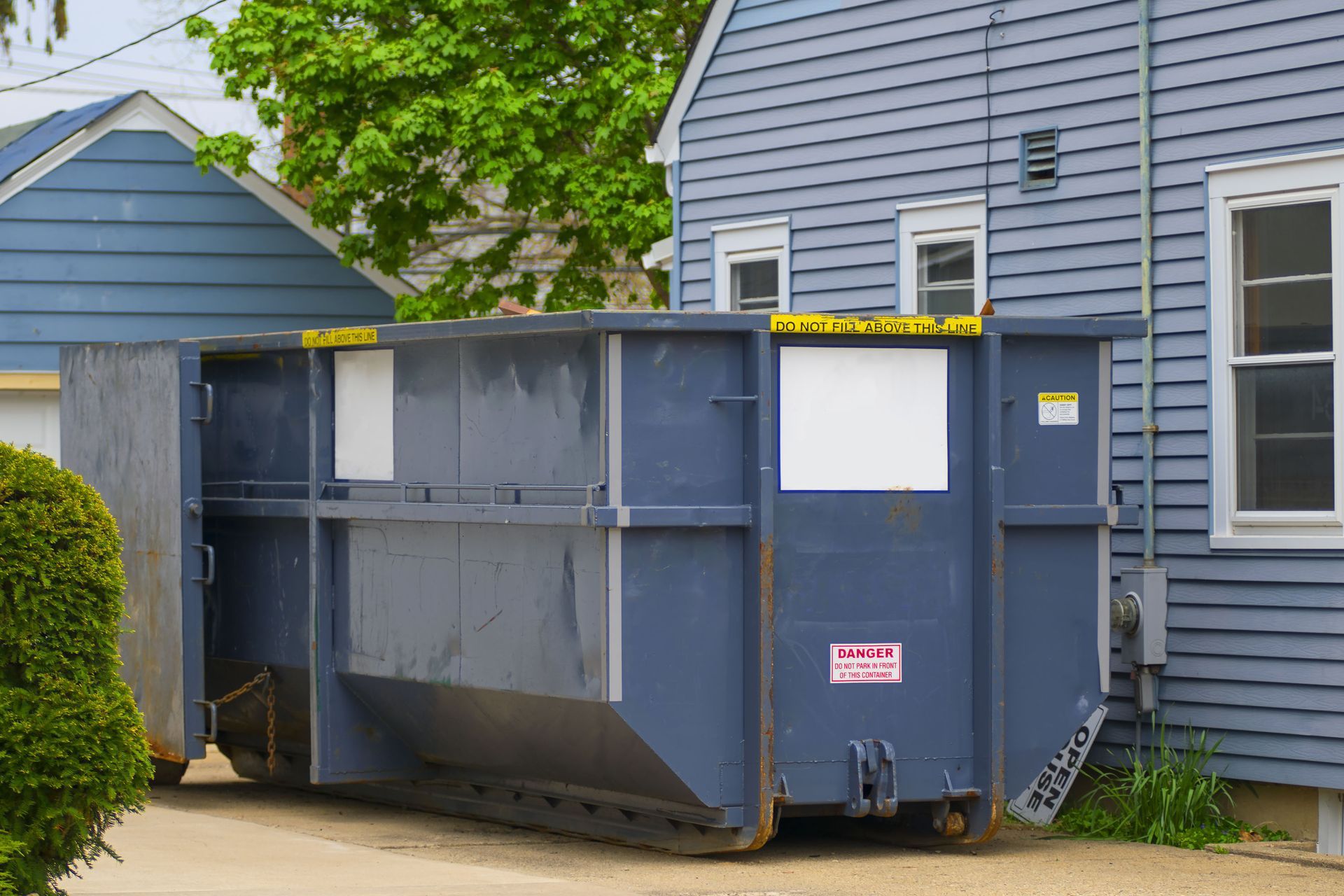
Where a container is placed can affect accessibility, safety, and tenant satisfaction. Parking lots, loading zones, and designated service areas are common placement locations. Coordinating placement with a roll off dumpster rental provider allows property managers to consider factors such as clearance, surface protection, and traffic flow. Thoughtful placement reduces the risk of property damage and helps maintain a professional appearance throughout the duration of the project. It also helps ensure that daily property operations, including deliveries and emergency access, remain uninterrupted.
Regulatory Compliance and Local Waste Rules
Waste disposal is governed by local, state, and sometimes federal regulations. Property managers must be aware of what materials can be disposed of and how long containers may remain on-site. Working with a roll off dumpster rental company that understands local regulations helps ensure compliance and reduces the risk of fines or project delays. This knowledge is especially important for properties located in dense urban environments or areas with strict zoning requirements. Maintaining compliance also protects property owners from potential disputes with municipalities or neighboring properties.
Budget and Cost Control Considerations
Cost predictability is essential for effective property management. Dumpster services are typically priced based on container size, rental duration, and disposal type. By planning ahead and understanding pricing structures, property managers can incorporate roll off dumpster rental expenses into maintenance budgets with greater accuracy. This proactive approach supports financial transparency for property owners and stakeholders while reducing unexpected operational costs. Predictable budgeting also supports long-term capital planning and helps justify maintenance decisions during annual financial reviews.
Market Growth and Industry Trends
The demand for efficient waste solutions continues to rise alongside construction, renovation, and property redevelopment activity. According to Fact.MR, the dumpster and roll off container market is expected to grow at a Compound Annual Growth Rate of 6.8% from 2023 to 2033. This growth highlights the increasing relevance of roll off dumpster rental services within the broader property management landscape and underscores the importance of staying informed about evolving service options and capacity availability. Increased demand also places greater emphasis on early coordination to secure services during high-activity periods.
Environmental Responsibility and Sustainability Goals
Many property owners and tenants are placing greater emphasis on sustainability and responsible waste handling. Property managers play a key role in supporting these goals by ensuring waste is managed efficiently. Coordinating debris removal through roll off dumpster rental services can support recycling efforts and proper disposal practices when aligned with local guidelines. Clear communication about waste expectations also helps tenants participate in responsible disposal while reinforcing environmental accountability. These practices can support broader sustainability initiatives without adding operational complexity.
Schedule, Time, and Minimizing Disruptions
Timing is critical when managing waste during active properties. Containers should arrive and be removed according to project schedules to avoid prolonged on-site clutter. Reliable roll off dumpster rental scheduling helps property managers coordinate with contractors, maintenance teams, and tenants. Effective scheduling reduces noise, congestion, and visual impact, all of which contribute to a more positive tenant experience and smoother daily operations. Predictable service timelines also help prevent conflicts between overlapping projects occurring on the same property.
Long-Term Vendor Relationships
Consistency and reliability are valuable traits in any service partnership. Establishing ongoing relationships with providers that offer roll off dumpster rental services can simplify future projects and streamline communication. Familiarity with property layouts, access points, and operational preferences allows vendors to provide smoother service over time, benefiting both management teams and property occupants through increased efficiency and responsiveness. Strong vendor relationships also help reduce administrative effort when planning recurring maintenance work.
Risk Management and On-Site Safety
Safety is a core concern for property managers overseeing active sites. Properly placed and maintained containers reduce the risk of accidents, blocked exits, or unauthorized use. Coordinating safety expectations as part of a roll off dumpster rental arrangement helps ensure containers are used appropriately and monitored throughout the rental period. This attention to detail supports overall risk management efforts and promotes safer environments for tenants and staff. Clear procedures and oversight help reinforce safety standards across all property operations.
Effective waste management is a foundational aspect of successful property management. By understanding how temporary containers support maintenance, renovations, and cleanouts, property managers can make informed decisions that protect property value and tenant satisfaction. Thoughtful planning, regulatory awareness, and strategic use of roll off dumpster rental services contribute to smoother operations and more predictable outcomes across a wide range of property types, reinforcing long-term operational stability and professional property oversight. Ready to streamline your next project with proper cleanup? Call Harris Containers for more information or secure your rental today!